
Artificial intelligence is defining Healthcare 3.0
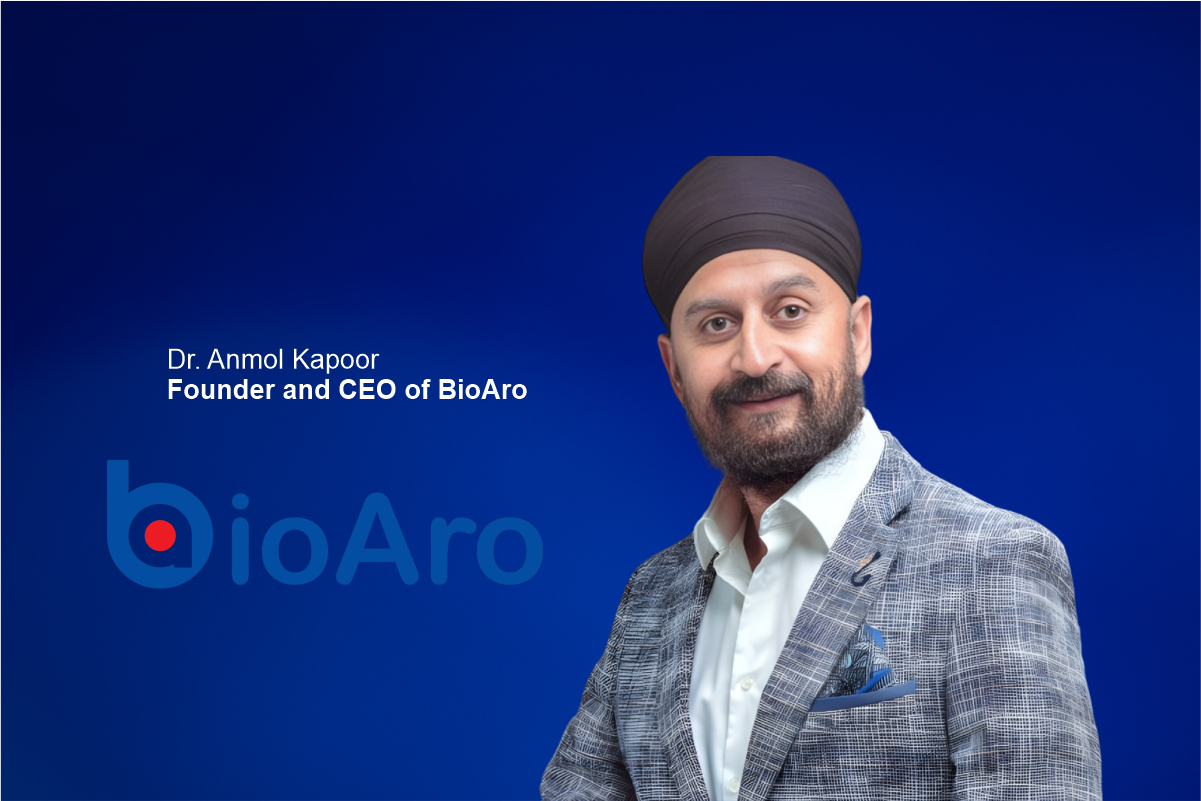
Artificial intelligence is accelerating the transition to Healthcare 3.0, with AI-powered diagnostics, genomics, and advanced analytics reshaping laboratory medicine and patient care.
For the American Chamber of Health's members, the Healthcare 3.0 conversation is already the operating environment for the Chamber's own AI initiatives. From the AI Voice Receptionist now being deployed in doctors' offices to AI-assisted diagnostics, the shift from reactive to predictive care is where the Chamber is placing its bets. Understanding how global leaders frame this transition helps American providers and innovators position themselves ahead of it.
Dr. Anmol Kapoor, Founder, Chairman and CEO of BioAro, outlines how advanced analytics, genomics, and artificial intelligence are reshaping laboratory medicine, describing a shift from reactive treatment toward continuous, AI-driven patient insight. In a presentation titled "Bridging multiomics to clinical realities: Harnessing AI for delivering Healthcare 3.0," he detailed how integrated data is moving from research promise to clinical reality.
BioAro, which specializes in genomics, artificial intelligence, and blockchain technologies, has developed an integrated tool that combines AI-powered genomic analysis, medical records, and interactive applications. The result is a comprehensive, end-to-end patient health profile.
Healthcare 3.0 represents a shift toward predictive, personalized, and digitally enabled healthcare, with laboratories and diagnostics playing a central role. Advances in data analytics, AI, automation, and precision medicine are driving the change.
The payoff is earlier detection, faster clinical decisions, and treatments targeted to each patient.
Kapoor outlines the evolution of healthcare models. Healthcare 1.0 relied on limited diagnostic tools. Healthcare 2.0, the current phase, introduced imaging and digital records. Healthcare 3.0, he argues, will define the future, enabling continuous patient insights, AI-driven clinical decisions, and fully patient-centric ecosystems.
Dr. Talkmore Maruta, Director of Programs at the African Society of Laboratory Medicine, has addressed the companion challenge of resilience. In a session titled "Building resilient organizations through emergency preparedness," and reflecting on lessons from the COVID-19 pandemic, Maruta underscored the critical role of diagnostics in emergency response and the importance of leadership in determining whether laboratories fail, survive, or adapt during crises. "For any effective pandemic response, you need to understand what is causing the outbreak," Maruta said. "Laboratories play a critical role in informing interventions and ensuring health systems are prepared to respond."
“Healthcare 3.0 is more patient-centric and more personalized to you: to your DNA, your microbiome and your epigenetics. AI is critical because it enables pattern recognition and clinical interpretation across complex datasets, allowing care to be tailored to each individual patient.”
Adapted with permission and written with the American Chamber of Health's editorial lens.
Want to stay ahead of the AI curve in healthcare? Join the Chamber and get our Insights digest on AI, innovation, and what's next.