
AI in healthcare, explained: from reactive care to predictive medicine
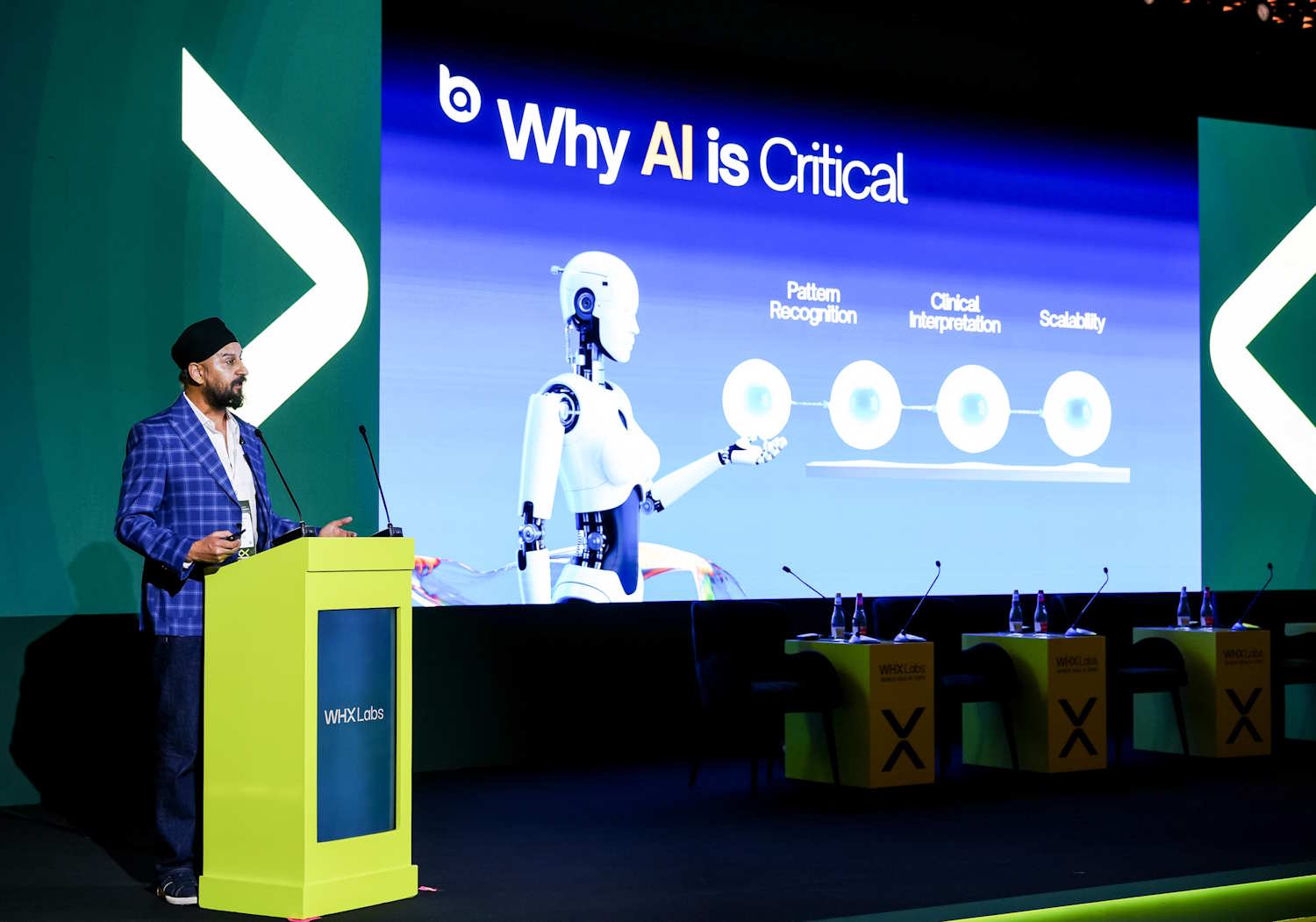
Artificial intelligence is rapidly reshaping healthcare, moving the industry toward a model often described as "Healthcare 3.0": more predictive, more personalized, and more data-driven than anything that came before.
The transformation is being driven by the convergence of genomics, advanced analytics, and integrated patient data systems. Together, these allow clinicians to move beyond reactive care, which treats illness after it appears, toward proactive and individualized strategies. That means catching disease earlier, choosing treatments matched to the patient, and monitoring health continuously rather than episodically.
For the American Chamber of Health's members, this shift is already operational. The Chamber's AI Voice Receptionist initiative brings AI into the daily workflow of doctors' offices, handling calls, scheduling, and patient engagement around the clock. The same pattern-recognition capability that helps a front desk never miss a call also helps a laboratory spot a diagnosis earlier. AI in healthcare runs through the entire system as a new layer, and the Chamber's ecosystem is where providers and innovators meet to deploy it responsibly.
Diagnostics and laboratory intelligence are becoming central to the shift. Laboratories generate the structured, quantitative data that machine learning needs most. As AI-driven decision support matures, the lab is evolving from a service department into a clinical intelligence engine.
The evolution is often framed in three phases: Healthcare 1.0: Limited diagnostics, reactive treatment. Healthcare 2.0: Digital records and imaging, the current mainstream. Healthcare 3.0: Continuous, AI-driven patient insights: predictive and personalized.
What separates the next phase from hype is execution. AI models are only as good as the data feeding them. That is why trusted, interoperable health data, and the governance to protect it, anchors every serious AI strategy, from national health systems to individual practices.
The opportunity is enormous: earlier detection, faster clinical decisions, treatments tailored to each patient's biology, and administrative capacity freed for human care. The responsibility is equally real. AI in healthcare must be deployed with transparency, validated against clinical outcomes, and designed around patients rather than around the technology.
“The question for healthcare leaders is no longer whether AI will reshape care delivery, but how quickly their organizations can build the data foundations, governance, and workforce to use it well.”
An original explainer by the American Chamber of Health's editorial desk.
Deploying AI in your practice or building what's next? Join the Chamber or partner with us to be part of the Healthcare 3.0 conversation.