The American Chamber of Health highlights a rapidly emerging innovation in digital healthcare:
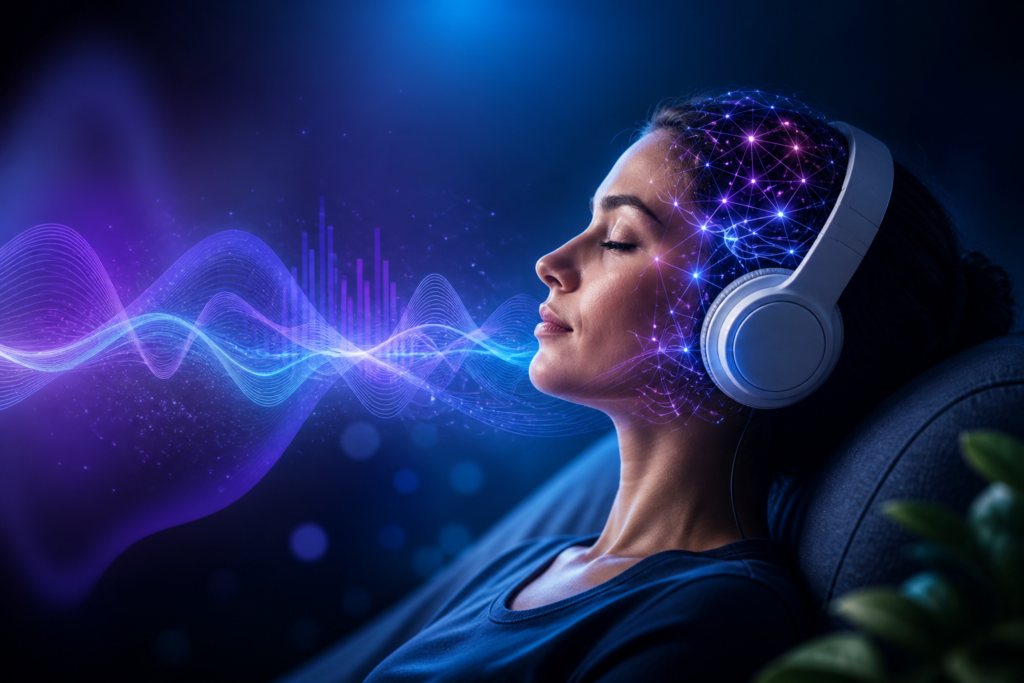
AI-powered sound therapy, a non-invasive, technology-driven approach that is reshaping how providers address mental health, sleep disorders, and overall wellness.
Drawing on insights from the World Health Expo Editorial Team, this advancement represents a convergence of artificial intelligence, neuroscience, and digital therapeutics, offering scalable solutions to some of the most pressing healthcare challenges in the United States and globally.
A New Era of Personalized Preventive Care
As healthcare systems continue shifting toward preventive and personalized models, AI-powered sound therapy is gaining attention for its ability to deliver tailored interventions based on individual user data. Through integration with mobile applications, wearable devices, and digital health platforms, these solutions provide customized sound frequencies and adaptive audio environments designed to improve mental and physical well-being.
According to the World Health Organization, mental health conditions remain one of the leading causes of disability worldwide, reinforcing the need for accessible, non-invasive therapeutic solutions. AI-enabled sound therapy offers a promising pathway to address these gaps at scale.
Scientific Foundation Meets Advanced Technology
Sound therapy has long been studied for its impact on brainwave activity and emotional regulation. The integration of artificial intelligence enhances this foundation by enabling real-time personalization and continuous optimization based on user responses.
Research supported by institutions such as the National Institutes of Health underscores the growing role of digital therapeutics in complementing traditional care models. AI-powered sound therapy builds on this momentum by delivering precision-based interventions that are both accessible and cost-effective.
Expanding Applications Across Healthcare
AI-powered sound therapy is being explored across a range of healthcare and wellness applications, including mental health support, sleep improvement, pain management, and workplace wellness programs. Its non-invasive nature makes it particularly attractive as a complementary tool alongside existing clinical treatments.
The Global Wellness Institute reports that the global wellness economy continues to expand rapidly, driven by consumer demand for holistic and technology-enabled health solutions. AI-driven sound therapy is positioned to become a key contributor within this evolving landscape.
Market Growth and Industry Opportunity
The broader digital therapeutics market is experiencing significant growth, with increasing investment from both startups and established healthcare companies. Factors such as rising mental health awareness, widespread adoption of wearable technology, and the scalability of app-based care models are accelerating innovation in this space.
Data from the Statista indicates strong upward trends in digital health adoption, further supporting the commercial and clinical potential of AI-powered therapeutic solutions.
Implications for the U.S. Healthcare Ecosystem
In the United States, where access to mental health and sleep care remains a critical challenge, AI-powered sound therapy offers a practical and scalable solution. Its compatibility with telehealth platforms, employer-sponsored wellness initiatives, and value-based care models makes it particularly relevant for healthcare providers, insurers, and policymakers.
By expanding access to affordable and personalized care, this innovation aligns with broader industry goals of improving outcomes while reducing long-term healthcare costs.
Looking Ahead
The American Chamber of Health recognizes AI-powered sound therapy as a compelling example of how emerging technologies can enhance patient-centered care. Continued collaboration between healthcare leaders, technology innovators, and regulatory bodies will be essential to unlocking its full potential.
Editorial Credit: Adapted from insights by the WHX Editorial Team.