
Healthcare investment is entering a defining phase as global leaders increasingly call for a stronger alignment between capital deployment and real world health system priorities. As healthcare systems face rising demand, aging populations, workforce shortages, and rapid technological advancement, the traditional approach to investment is being reexamined.
Discussions among investors, policymakers, and healthcare executives highlight a clear shift. Capital is no longer being evaluated solely on financial return. Instead, there is growing emphasis on long term value creation, measurable patient outcomes, and system wide sustainability.
This evolving perspective reflects a broader understanding that healthcare investment must directly support the delivery of care, rather than operate independently of it. Leaders are increasingly advocating for investment strategies that strengthen infrastructure, improve access, and deliver tangible improvements in quality of care.
A central theme emerging from industry conversations is the transition toward value based care. This model places patient outcomes at the core of decision making and requires investors to think beyond short term gains. It also calls for deeper collaboration between the public and private sectors to build scalable and resilient healthcare systems.
Dr Mussaad Al Razouki, Operating Partner at Deerfield Management, emphasized the importance of redefining priorities within healthcare investment:
“The ultimate goal is, what can be the next golden standard of care. How can we improve access, how can we reduce cost, and how can we improve quality? The governments in this region are very encouraging of private sector involvement, and they want the private sector to have a bigger role in how healthcare is delivered and how healthcare is financed.”
At the same time, experts cautioned against investment strategies that are disconnected from operational realities. A recurring concern is the tendency to design healthcare solutions through theoretical planning rather than practical engagement with providers and patients.
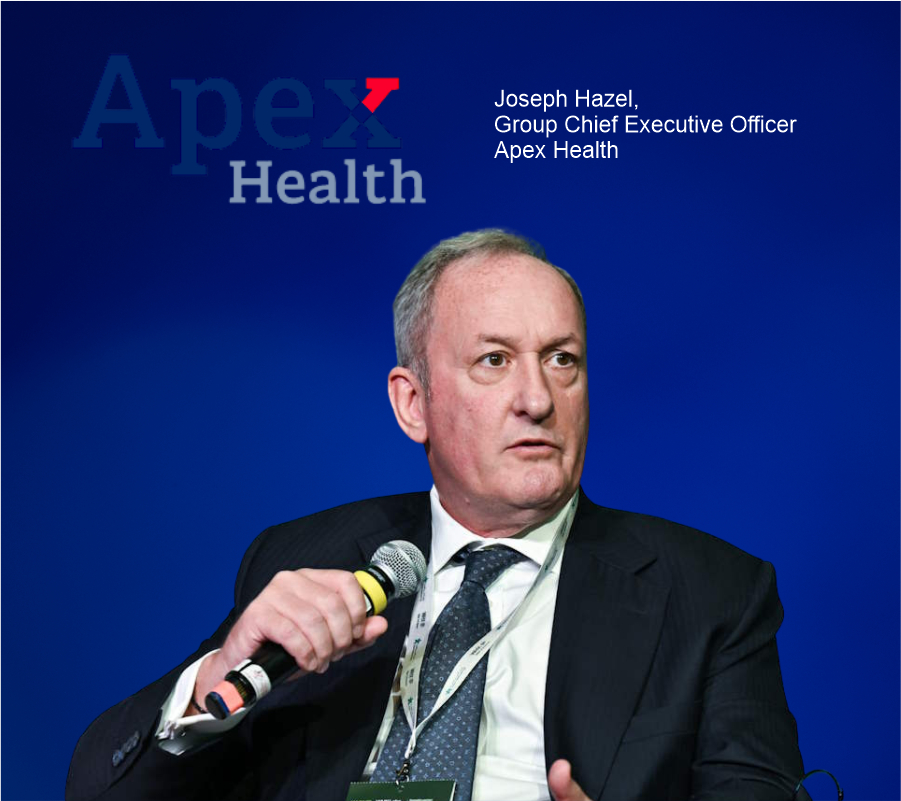
Joseph Hazel, Group Chief Executive Officer of Apex Health in Qatar, highlighted this gap:
“Quite often you will find that investors will do a desktop exercise. They bring in the consultants, review the gaps, and then set out their plans. But what they do not do is go through, test it on the ground, deal with the operators, and find out what the competition in the marketplace is.”
This disconnect often results in misaligned investments that fail to address the actual needs of healthcare systems or the populations they serve. Leaders emphasized that successful investment strategies must be informed by real world insights, operational expertise, and patient experience.
The broader message emerging from these discussions is clear. Healthcare investment must move from theoretical planning to practical execution. It must be grounded in evidence, aligned with system needs, and focused on delivering measurable impact.
As global healthcare continues to evolve, the alignment between capital and care delivery will play a critical role in shaping the future of the industry. Investment decisions made today will determine not only financial outcomes but also the accessibility, quality, and sustainability of healthcare systems for years to come.